
Stress vs The Nervous System
Your symptoms aren't random - your nervous system is asking for help
Have you ever felt bloated after a stressful day, tossed and turned at night with a racing mind even though you were exhausted, snapped at someone for no reason, or caught every cold going around? Stress might be the hidden culprit.

Stress doesn’t just live in your head—it can cause a surprising range of symptoms, like fatigue, brain fog, stomach issues, anxiety, irritability, low energy, weight gain, headaches, muscle tension, frequent colds, poor focus, sugar cravings, skin breakouts, and even irregular periods. These aren’t random annoyances; they’re your body’s way of signaling that stress is throwing it off balance.
Your body is a beautifully connected network, and at the heart of it all is your nervous system, running everything from your heartbeat to your digestion. Health classes much too often skip how stress impacts this system, but understanding it is critical to feeling well and in control. In this lesson, you’ll learn how your nervous system works, why stress causes these symptoms, and simple ways to calm it.
Stress has quickly become the new norm in our society. Whether it is exercise burnout, workaholic mindset, or emotional roller coasters- our hormones are the ones that pay the price. That anxious “stressed” feeling is from your hormones being in a constant state of fight or flight. When you stress your hormones out, they tend to function improperly- leading to an imbalance.
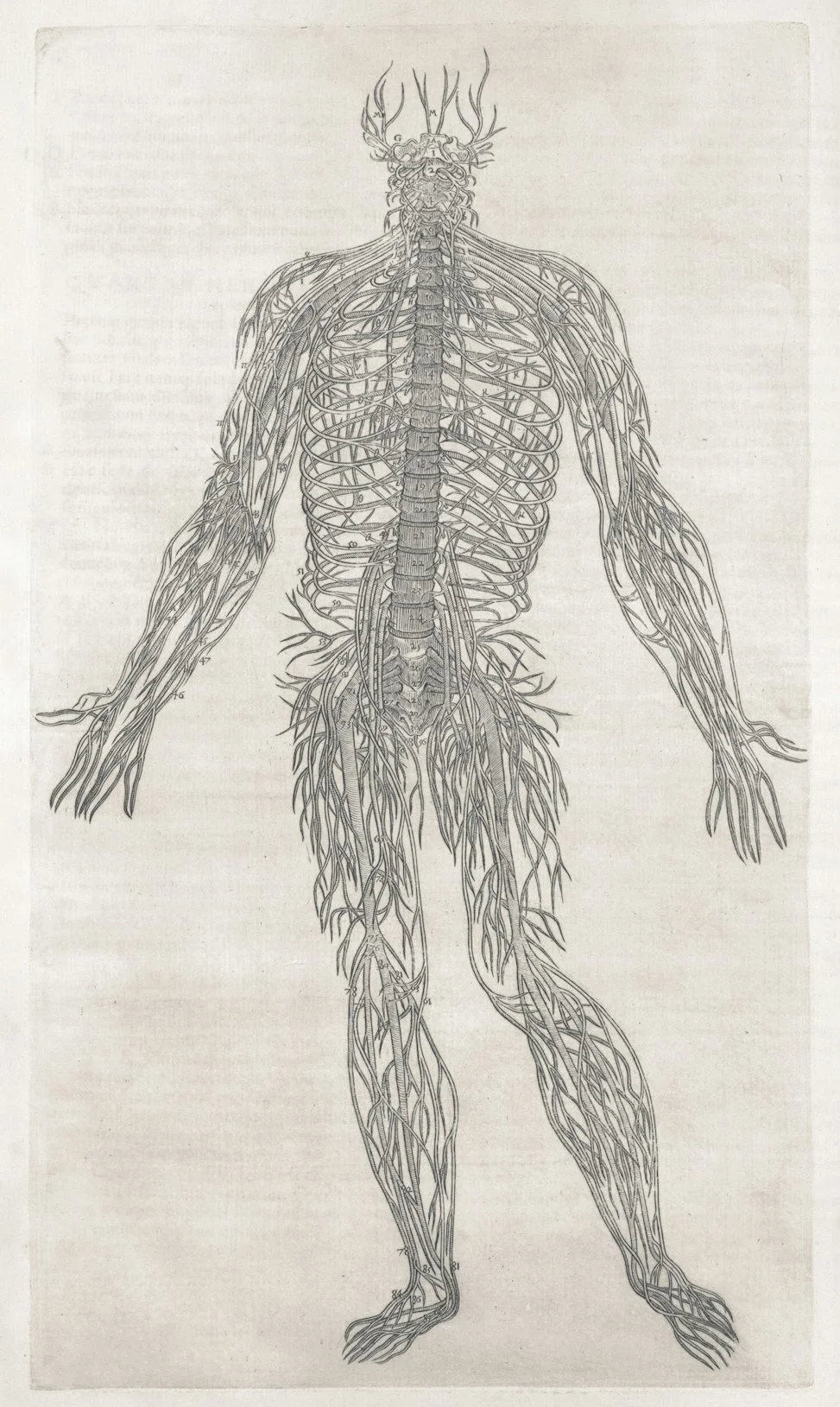
What Is the Nervous System?
The nervous system is like the body’s Wi-Fi, sending signals that keep everything working together. It’s made up of two main parts:
Central Nervous System: Your brain and spinal cord, the “main computer” that processes information and makes decisions.
Peripheral Nervous System: The nerves branching out to your organs, muscles, and skin, carrying messages back and forth.
Within the peripheral nervous system, there’s a key player called the autonomic nervous system, which runs automatic functions you don’t think about, like:
Breathing (how fast or slow you breathe).
Heartbeat (speeding up when you’re active, slowing when you rest).
Digestion (turning food into energy).
Immune responses (fighting off germs).
The autonomic nervous system has two modes:
Sympathetic (“Fight or Flight”): This kicks in during stress—like when you’re rushing to meet a deadline, stuck in traffic, or in a dangerous situation. It revs up your heart rate, pumps adrenaline, and gets you ready to act fast.
Parasympathetic (“Rest and Digest”): This is your calm mode, slowing your heart rate, helping you digest food, and letting your body repair itself.
Think of these modes like a gas pedal (sympathetic) and a brake (parasympathetic). A healthy body switches between them smoothly. But when stress keeps the gas pedal stuck, things go haywire.
The autonomic nervous system’s balance is regulated by the vagus nerve, a major highway for signals between your brain, gut, and heart. Chronic stress overstimulates the sympathetic system, reducing vagal tone, which weakens your body’s ability to relax, digest, and heal.
This is why stress can feel like it’s affecting everything.
How Stress Affects Everything
When you’re stressed (in any capacity) your nervous system thinks you’re in danger- like running from a bear- even if you are just stressing about being late to work. It flips to “fight or flight,” releasing stress hormones like adrenaline and cortisol. This is great for short bursts (e.g., dodging a car), but most of us live with constant low-grade stress—work, screens, lack of sleep—which keeps the sympathetic system on too long, when not in actual danger. Here’s how that messes with your body:
Digestion: Stress slows or even stops digestion because your body prioritizes survival over breaking down food. Ever feel bloated or lose your appetite when stressed? That’s your nervous system redirecting energy away from your gut.
Example: Skipping breakfast during a busy morning can lead to stomach cramps or bloating later because stress disrupted your gut’s rhythm.
Sleep: Cortisol spikes make it hard to relax, leading to trouble falling asleep or waking up feeling unrefreshed.
Example: Ever feel so tired all day but when you get in bed you end up lying awake with your mind running about tomorrow? That’s your sympathetic system activated when your parasympathetic is supposed to be.
Mood: Chronic stress floods your brain with cortisol, which can make you feel anxious, irritable, or foggy. This influx of cortisol can also lead to hormonal imbalance, which presents in many ways.
Example: Feeling snappy after a long day? Stress is overloading your nervous system, affecting brain chemicals like serotonin.
Energy: Stress burns through energy reserves, leaving you exhausted even if you haven’t been active.
Example: That mid-afternoon crash while common, is not normal- that is adrenal fatigue caused by improper cortisol release and/or improper nutrient absorption.
Immunity: Constant stress weakens your immune system, making you more likely to catch colds or feel run-down.
Example: Getting sick every time life gets hectic? Stress is taxing your body’s defenses.
Holistic Practice: To shift to “rest and digest,” (parasympathetic) mode, try diaphragmatic breathing (aka belly breathing):
Inhale deeply through your nose for 4 seconds, imagining you are inflating your belly, hold it for 4 seconds, then exhale for 4 seconds. Do this for 1 minute, 2-3 times a day. It signals your nervous system to calm down, boosting digestion, sleep, and mood.
Pro-tip: *try this technique in bed on nights when you cannot quiet your mind*
Why This Matters for Your Overall Health
Health classes often focus on diet or exercise, but your nervous system is the foundation for how those work.
If stress keeps you in “fight or flight,” even the healthiest meal or workout won’t do as much good as it should, because your body can’t properly digest, rest, or repair.
By understanding and supporting your nervous system, you take control of your health in a way most people miss. Learning to spot your personal stress signals helps you make small changes, like breathing deeply before a meal to aid digestion.
Holistic Practice: Spend 5 intentional minutes (no devices) daily in nature (e.g., walking barefoot or sitting under a tree). This calms your nervous system by reducing cortisol and boosting parasympathetic activity, helping your body relax and heal.